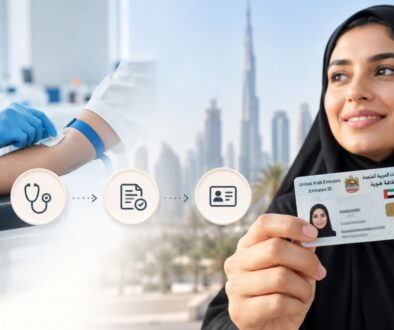
HEALTH SCREENING IN DUBAI FOR RESTAURANT STAFF: IMPORTANCE, REQUIREMENTS & PROCESS
Dubai’s restaurant and hospitality sector is known for its high standards of hygiene, safety, and quality. With a large population and millions of visitors dining out daily, maintaining strict public health measures is essential. One of the most important systems supporting this is health screening in Dubai, especially for restaurant staff and food handlers.
This guide explains why health screening is required for restaurant employees, what it involves, and how it helps ensure food safety, regulatory compliance, and public health protection.
What is Health Screening in Dubai?
Health screening in Dubai refers to medical evaluations conducted to determine whether individuals are fit to work in specific roles, particularly those involving food handling and public interaction.
For restaurant staff, health screening is usually linked to occupational health requirements and may be necessary for obtaining approvals such as an Occupational Health Certificate (OHC). This confirms that the individual meets the health standards required for working in the food and hospitality sector.
Why Health Screening in Dubai is Required for Restaurant Staff
Restaurant employees play a direct role in food preparation, handling, and service. Because of this, health screening is an important requirement in many cases to maintain safety and hygiene standards.
1. Public Health Protection
The primary objective of health screening in Dubai is to protect public health. Food handlers are in close contact with food consumed by others, making it essential to identify potential health risks early.
Screening helps detect communicable diseases that could pose a risk in food service environments and supports early intervention when needed.
2. Food Safety and Hygiene Compliance
Dubai follows strict food safety regulations to ensure that all food served to the public is safe and hygienic. Health screening supports these standards by ensuring that individuals involved in food handling meet required health conditions.
This reduces the risk of:
- Food contamination
- Foodborne illnesses
- Hygiene-related incidents
3. Regulatory Requirements for Food Industry
Health screening in Dubai is part of broader regulatory practices governing the food and hospitality sector. Employees working in roles such as:
- Food preparation
- Kitchen operations
- Food service
- Catering
are often required to complete health screening as part of occupational health compliance.
In many cases, employees must obtain or renew an Occupational Health Card, which confirms their medical fitness for such roles.
4. Role-Based Health Screening Requirements
Health screening is not identical for all job roles. The type and extent of screening depend on the nature of the job.
Restaurant staff, especially food handlers, may undergo additional checks compared to other professions due to the higher level of responsibility related to hygiene and safety.
5. Prevention of Communicable Diseases
Restaurants are high-contact environments where employees interact closely with food, surfaces, and customers. Health screening helps:
- Identify infectious conditions early
- Reduce workplace transmission risks
- Protect both employees and customers
This approach supports Dubai’s proactive public health strategy.
6. Building Customer Trust and Brand Reputation
Customer confidence is critical in the food industry. When restaurants follow proper health screening practices:
- Customers feel safer dining
- Businesses maintain strong reputations
- Trust and loyalty increase
In a competitive market like Dubai, maintaining high hygiene standards is essential for long-term success.
7. Workplace Safety and Employee Well-being
Health screening also contributes to employee safety. Restaurant work can involve physically demanding tasks, exposure to heat, and fast paced environments.
Medical evaluations help ensure that employees are fit to perform their duties safely and efficiently.
What Does Health Screening in Dubai Include?
The health screening process for restaurant staff typically involves standard medical tests, which may vary depending on job role and regulatory requirements.
Common Tests
-
- Chest X-ray – Used to screen for tuberculosis
- Blood tests – To check for specific infectious diseases
- Stool test– To check for specific infectious diseases
Additional Tests (Depending on Role)
- Hepatitis screening
- Other role-specific health checks
The exact tests required may vary depending on the type of work and applicable regulations.
Occupational Health Card (OHC) for Restaurant Staff
An Occupational Health Certificate(OHC) is commonly required for individuals working in food related roles in Dubai.
Purpose of OHC:
- Confirms medical fitness for food handling
- Demonstrates compliance with health regulations
- Required for certain job categories in the food sector
The card typically needs periodic renewal to ensure continued compliance.
Health Screening Process in Dubai
The process is generally simple and efficient:
Step 1: Registration
Submit required documents at an approved medical center
Step 2: Medical Tests
Complete the necessary tests.
Step 3: Result Processing
Results are reviewed and recorded
Step 4: Approval
Eligible individuals receive clearance or relevant certification
Benefits of Health Screening for Employers
Employers in the restaurant industry benefit significantly from proper health screening:
Regulatory Compliance
Ensures adherence to UAE food safety and health regulations
Risk Reduction
Minimizes chances of contamination or health-related incidents
Operational Efficiency
Prevents disruptions caused by non-compliance or employee health issues
Brand Protection
Maintains a positive reputation and customer trust
Challenges and Best Practices
Common Challenges
- Incomplete documentation
- Delays in scheduling
- Unclear requirements
Best Practices
- Plan screening in advance
- Use approved medical centers
- Educate employees on requirements
- Track renewal dates for OHC
How Often is Health Screening Required?
Health screening is required before starting employment and must be renewed annually, depending on the job role and regulatory requirements.
Regular renewal helps ensure continued compliance with occupational health and safety standards.
Key Takeaways
- Health screening in Dubai plays a critical role in maintaining food safety and public health
- Restaurant staff are often required to undergo screening due to their role in food handling
- The process includes medical tests such as chest X-rays, blood tests & stool test
- Occupational Health Cards are commonly required for compliance
- Proper planning helps avoid delays and ensures smooth onboarding
Conclusion
Health screening in Dubai is a key part of maintaining high standards in the restaurant and hospitality industry. By ensuring that food handlers meet required health conditions, the system helps protect public health, support regulatory compliance, and maintain trust in the food service sector.
For both employers and employees, understanding the process and requirements of health screening ensures a smooth, compliant, and efficient work environment. In a city known for its global standards, prioritizing health and safety is not just a requirement it is a responsibility that supports long term success.